

Conifer Spotlight: Baby Blue Colorado Spruce
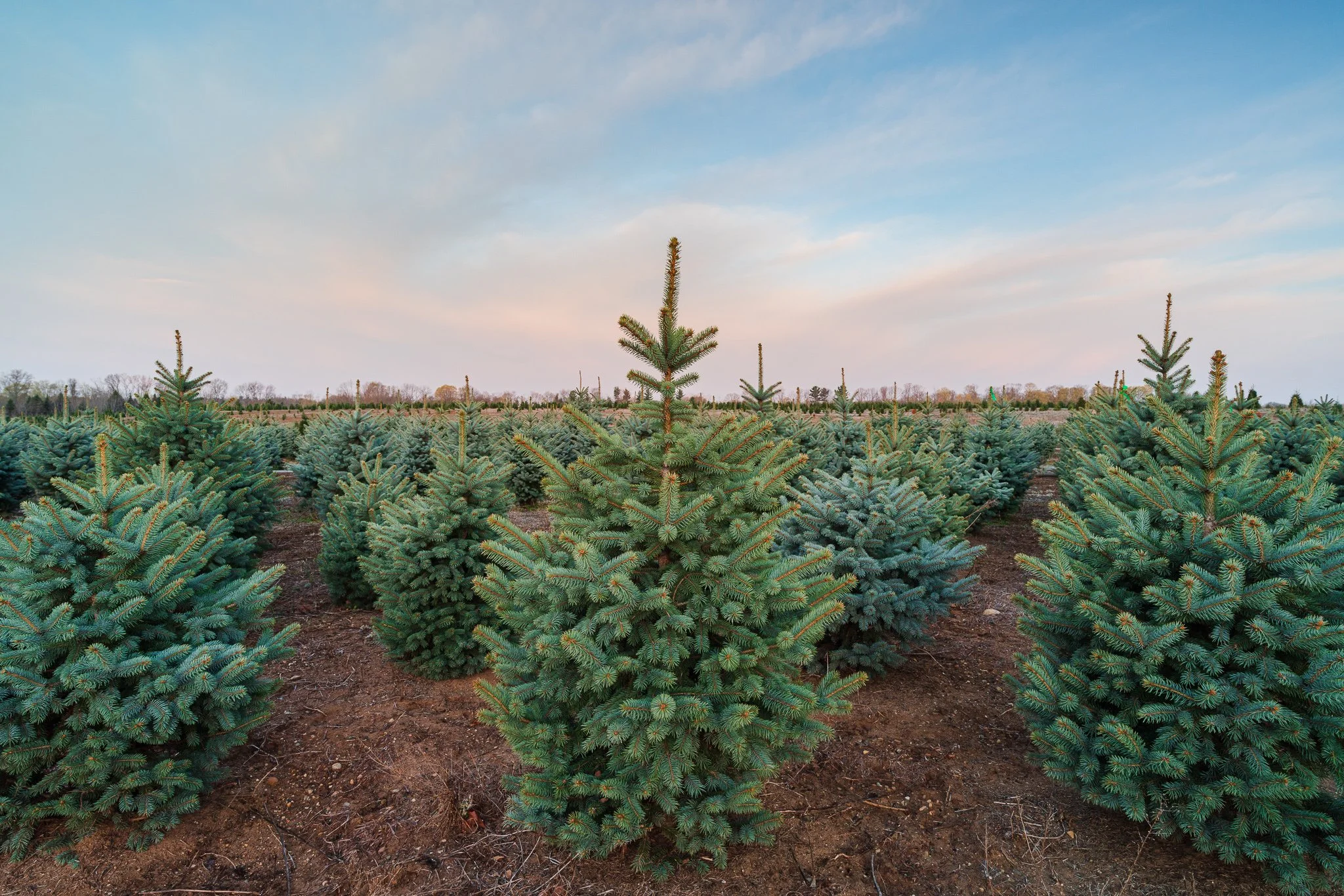
Baby Blue Colorado Spruce (Picea Pungens ‘Baby Blue’)
We’ve all seen them.
The enormous blue spruce planted too close to a house decades ago. What began as a beautiful evergreen eventually covered the windows, crowded the walkway, and overwhelmed the space around it.
The tree did exactly what it was supposed to do. It simply was not given enough room to do it.
Baby Blue Colorado Spruce offers the classic pyramidal form and blue foliage people expect from a Colorado spruce, but with especially consistent color, full needle coverage, and a strong, symmetrical growth habit. It makes an excellent specimen tree when it is placed where it has room to mature.
What makes Baby Blue stand out?
Baby Blue is a cultivar of Colorado Blue Spruce. Armintrout’s describes it as comparable to some of the best clones of the species, with trees that consistently develop vivid blue foliage and needles arranged in a full, rounded pattern.
That dependable color is a big part of its appeal.
A standard Colorado Blue Spruce can vary from tree to tree. Some develop the striking blue color buyers are looking for, while others remain more green or blue-green. Baby Blue offers a more consistent appearance, making it easier for nurseries and landscape professionals to provide the look their customers expect.
Its naturally symmetrical form also gives it a strong presence in the landscape without requiring heavy pruning to create its shape.
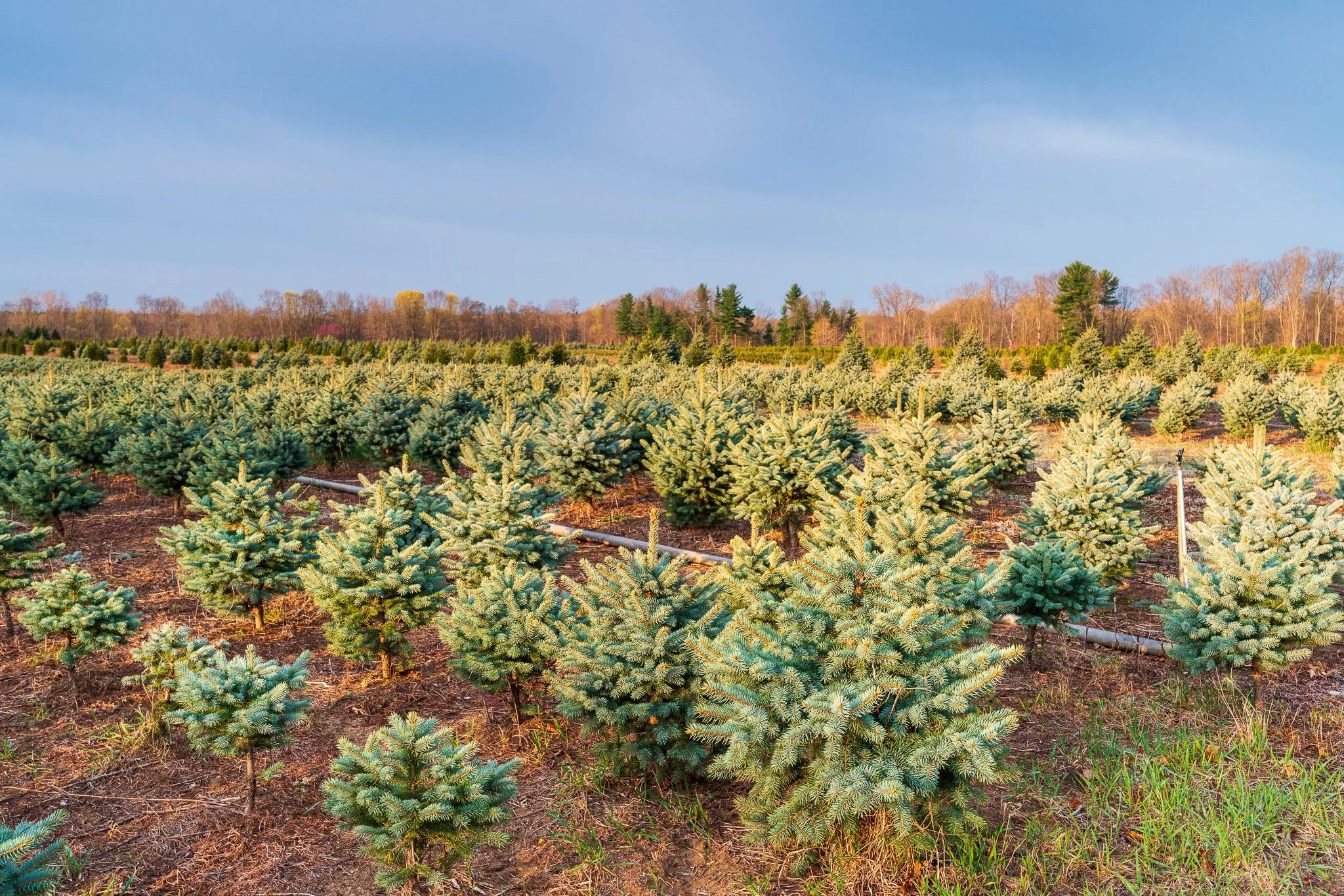
Baby Blue Colorado Spruce
Do not let the name fool you
“Baby Blue” sounds like a small tree, but it is still a Colorado spruce.
Armintrout’s lists its mature height at 60 to 100 feet, and mature width at 30 to 40 feet, with an annual growth rate of approximately 9 to 15 inches. That means it may grow more slowly than some trees, but it still needs to be treated as a large evergreen when planning the landscape.
It should not be tucked beneath windows, crowded against a foundation, or planted where its eventual width will interfere with walkways, utilities, or neighboring trees.
The best time to think about mature size is before the tree goes into the ground.
When given the right space, Baby Blue can develop into an impressive evergreen rather than becoming the tree that future owners have to remove from the side of the house.
Where does Baby Blue work best?
Baby Blue Colorado Spruce is especially well suited for specimen planting.
Its clear blue color creates contrast against green evergreens, deciduous trees, and darker building materials. Its strong pyramidal shape also gives the landscape structure throughout the year.
It may also be used as part of a screen or larger evergreen grouping, provided each tree is spaced according to its mature size. Planting too closely can restrict airflow, cause branches to grow together, and increase the conditions that contribute to fungal disease.
For landscape professionals, good placement allows the tree to become the focal point it was intended to be without creating avoidable maintenance problems later.
Give it sun, drainage, and room to breathe
Baby Blue performs best in full sun and well-drained soil.
Avoid shaded locations and low areas where water remains after rain. Colorado spruce does not respond well to wet feet, and poorly drained soil can contribute to stress and declining health.
In heavier soils, Armintrout’s recommends mounding the planting area to improve drainage. The heavier and wetter the soil, the more important that additional elevation becomes.
Good airflow is also important. Leaving adequate space around the tree helps foliage dry and reduces the humid conditions that can favor needle diseases.
A successful site should provide:
Full sun
Well-drained soil
Good airflow around the branches
Enough room for the tree’s mature height and width
Consistent watering while the tree becomes established
Those basics will do more for long-term performance than trying to correct a poor planting location later.
A reliable choice for strong blue color
Baby Blue Colorado Spruce gives nursery buyers and landscape professionals a dependable option when the project calls for vivid blue foliage and classic evergreen form.
Its color, full branching, and symmetrical growth make it an excellent specimen tree. The key is respecting its mature size and choosing a sunny, well-drained location where it can develop naturally.
Placed correctly, Baby Blue can become a lasting feature of the landscape without overwhelming the space around it.
Healthier trees. Happier customers.